CREATOR STRATEGY
What Is a Brand Creator Ecosystem? A Better Way to Build Long-Term Creator Relationships
A brand finds a photographer for one campaign, a model for another and a few creators for a product launch. The work gets completed. Then, a few months later, the search starts again.
The problem is not always a shortage of creators. Often, it is the absence of a system for retaining the creator relationships, context and learning the brand has already built.
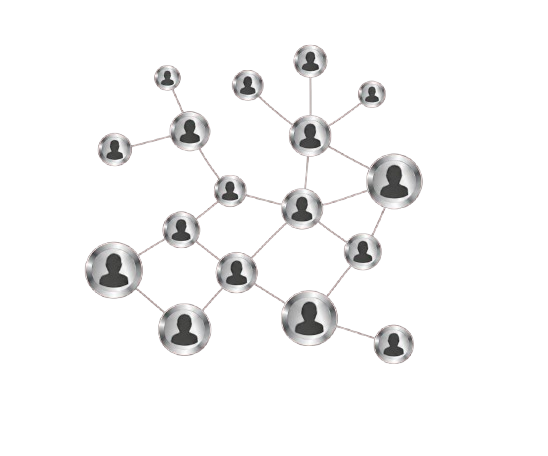
That is the idea behind a Brand Creator Ecosystem: a curated environment where a brand can build an ongoing community of relevant creators, keep relationship context connected and return to the right people when new opportunities arise.
What is a Brand Creator Ecosystem?
A Brand Creator Ecosystem is a structured, brand-specific community of creators and the working context around those relationships. It is designed for continuity: discovery can lead to a relationship, a relationship can lead to multiple opportunities, and useful history does not have to disappear when one campaign ends.
The goal is not to give a brand access to more creators. It is to help the brand build better relationships with the right creators.
Why can one-off creator hiring become inefficient?
One-off creator collaborations are not inherently a problem. They are useful when a brand needs a particular voice, audience or creative style for a specific moment. The inefficiency appears when every new brief forces the team to rebuild the same operational context: who was relevant, who understood the brand, what was discussed and who might be worth working with again.
Industry guidance increasingly treats creator relationships as something to maintain rather than discard after each activation. Kantar, for example, recommends investing in lasting creator relationships because familiarity with a brand can make future collaboration smoother and richer.
How is this different from an influencer marketplace?
A marketplace is primarily useful for discovery and access. A Brand Creator Ecosystem is centred on the brand's own relationship layer after discovery: the creators relevant to that brand, the communication around them and the context accumulated over time.
That distinction matters. A large searchable database may help a team find someone new, but it does not automatically preserve the brand-specific relationship that develops after the introduction.
Is a creator ecosystem the same as influencer CRM?
There is overlap, but the terms describe different scopes. Influencer or creator relationship management usually focuses on organising contacts, outreach, campaign status and relationship history. Current creator-management products increasingly use CRM-style systems to keep those details in one place.
A Brand Creator Ecosystem can include that relationship-management layer while extending beyond it into a curated brand community, opportunities, communication and ongoing creator participation. For IncluHub, Creator Relationship Management is therefore a useful category description, but not the whole product idea.
What should a brand retain after a creator campaign?
Not everything needs to become a complicated data point. The useful information is usually practical: what the creator does, where they fit, previous collaboration context, relevant work, communication history and whether the relationship makes sense for a future requirement.
Keeping that context accessible can also help teams avoid a common problem: creator knowledge living in one employee's WhatsApp, inbox or spreadsheet. The relationship should remain useful to the brand even when the next campaign is months away.
Where can AI help in a creator ecosystem?
AI is most useful when it reduces the work around information the brand already has. It can help prepare recommendations, surface relevant relationship context, organise responses or suggest next steps from an approved pool of creators.
It should not turn creator selection into an unexplained score or make the final relationship decision for the brand. IncluHub's product direction keeps that boundary clear: AI can prepare and recommend; the brand decides.
What makes a creator community valuable over time?
Continuity creates familiarity. A creator who has already encountered the brand may understand its products, visual language and expectations better than someone seeing the brief for the first time. That does not guarantee better performance, but it gives the next collaboration more context to start from.
Long-term relationships are also becoming a more visible part of creator strategy. Recent industry reporting and guidance emphasise deeper creator integration and sustained partnerships rather than treating every collaboration as a disposable transaction.
Who is a Brand Creator Ecosystem useful for?
The model is most relevant to brands with recurring creator or content requirements. Fashion labels may need models, photographers, stylists and content creators across launches. Jewellery and beauty brands may repeatedly need specialised talent and product-aware creators. Lifestyle, D2C and e-commerce businesses may need a dependable mix of UGC, campaign content and production support.
A brand with only one creator requirement a year may not need an ecosystem. The value becomes clearer when creator relationships are frequent enough that starting from zero repeatedly becomes a real operational cost.
How IncluHub approaches the Brand Creator Ecosystem
IncluHub's model is brand-specific rather than an unrestricted public creator marketplace. A brand can build a curated creator community around its own needs, while creators maintain their professional identity within the wider IncluHub ecosystem.
The product direction combines creator discovery, relationship context, targeted communication, opportunities and brand-specific AI with human curation from IncluHub. The intention is simple: help brands keep useful creator relationships connected instead of losing them between campaigns.
The shift is from finding creators to retaining relationships
Creator discovery will always matter. New campaigns sometimes need new people. But discovery does not have to erase everything a brand learned from the last collaboration.
A Brand Creator Ecosystem treats creator relationships as something a brand can deliberately build over time. For teams that work with creators repeatedly, that can be a more durable operating model than returning to a blank search box for every brief.
Building a recurring creator strategy?
Explore how IncluHub is developing brand-specific creator ecosystems for discovery, relationship management, communication and long-term collaboration.
Explore Brand Creator Ecosystem →